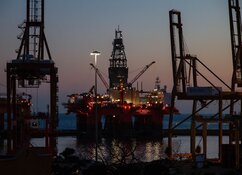


Geopolitical tensions between the U.S. and Iran have kept crude oil prices elevated, with the commodity trading near US$89 per barrel as of late July 2026. This environment creates a supportive backdrop for independent crude oil tanker operators such as DHT Holdings Inc. (DHT:NYSE), whose modern fleet is positioned to benefit from sustained demand for compliant shipping capacity.
Retail investors often look to the tanker sector during periods of elevated energy prices because daily earnings can rise quickly when spot rates strengthen. DHT Holdings has capitalized on this dynamic by completing a multi-year fleet renewal program that leaves the company with a younger, more efficient VLCC fleet.
Why the Current Oil Market Environment Matters for Tanker Stocks
Oil prices have risen 26.35% over the past year amid ongoing conflict concerns. Joseph Hostetler of Fortune.com noted the price level of US$89.08 per barrel on July 28, 2026. Diplomatic developments, including a planned meeting between President Trump and Prime Minister Netanyahu, have introduced some price volatility as markets assess the likelihood of reduced tensions. The Times of Israel reported that mediators believe the U.S. and Iran may be close to reestablishing a memorandum of understanding. Fox News added that the White House was awaiting the outcome of Israeli Prime Minister Benjamin Netanyahu's discussions before making further decisions. Higher oil prices combined with supply-chain uncertainty tend to support tanker demand, though investors remain mindful that any de-escalation could moderate near-term rate spikes.
Key Investor Takeaways
- DHT Holdings has now taken delivery of its fourth and final VLCC newbuilding of 2026, fully refreshing a portion of its fleet with modern tonnage.
- The company sold its older DHT Bauhinia vessel, aligning with a strategy of replacing aging ships with newer, more efficient ones.
- Analyst commentary highlights attractive valuation metrics, including an 8.8 times earnings multiple and a 14% dividend yield, with expectations for further earnings growth in the second quarter.
- Potential sanction relief on Venezuelan and Iranian crude could shift volumes to compliant operators, expanding DHT's addressable market.
- Institutional ownership stands at nearly 81%, indicating strong professional investor interest in the name.
- Management operates the fleet through wholly owned companies in Monaco, Norway, Singapore, and India, providing global coverage.
Fleet Renewal Completed with Final VLCC Delivery
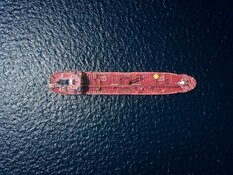
On July 24, 2026, DHT Holdings announced the delivery of DHT Impala, a VLCC newbuilding from Hyundai Samho Heavy Industries. The vessel has entered the spot market and represents the final unit in a series of four newbuildings scheduled for 2026. The company stated that the newbuilding program was fully funded and that the additions enhance long-term earnings capacity while strengthening service capabilities. In a related transaction, DHT Bauhinia, built in 2007, was delivered to its new owners on July 20, 2026. This fleet modernization approach helps reduce operating costs and positions the company to meet evolving environmental standards.
Analyst Views and Valuation Considerations
Ron Struthers highlighted the company's positioning in the oil transportation market on July 23, 2026, noting that no DHT tankers had been affected by Strait of Hormuz issues. He pointed to first-quarter time charter equivalent earnings of US$78,800 per day overall, with VLCCs in the spot market achieving US$91,700 per day. Second-quarter figures showed a notable increase to US$126,700 per day, representing a 60% rise that is expected to flow largely to the bottom line. Struthers maintained a "Strong Buy" rating and suggested the stock could see a breakout above US$20.50.
Marketbeat aggregates additional analyst perspectives. On the same date, Weiss Ratings adjusted its rating from "Buy (B+)" to "Buy (B)." Earlier in April 2026, Evercore moved to an "In-Line" rating with a US$19.00 price target, while BTIG Research raised its target to US$23.00 while keeping a "Buy" stance. These varied ratings reflect both the cyclical nature of tanker earnings and the company's progress on fleet renewal.
Emerging Industry Trends That Could Influence Future Demand
DHT's investor presentation outlines several trends worth monitoring. Sanction relief and trade normalization could move Venezuelan and Iranian volumes from the shadow fleet to compliant operators, increasing the market available to vessels like those operated by DHT. Energy security initiatives may encourage inventory building, supporting transportation demand beyond immediate consumption. Fleet modernization across the industry is also expected to accelerate retirement of older, non-compliant tonnage, potentially tightening overall vessel supply and supporting rates for modern fleets.
Share Structure and Institutional Interest
DHT Holdings Inc. carries a market capitalization of US$2.95 billion based on 161.04 million shares outstanding. The 52-week trading range spans US$10.70 to US$20.55.
1Institutions hold 80.98% of shares, strategic investors own 8.64%, management and insiders control 1.47%, and retail investors account for the remaining 8.91%.
 Streetwise Ownership Overview*
DHT Holdings Inc. (DHT:NYSE)
| Date | Old Symbol | Old Shares | New Symbol | New Shares |
|---|---|---|---|---|
| 07/17/12 | DHT:NYSE | 12 | DHT:NYSE | 1 |
Common Questions from Investors
Q: What is a VLCC?
A: A Very Large Crude Carrier (VLCC) is one of the world's largest oil tankers, typically capable of transporting up to 2 million barrels of crude oil on long international routes.
Q: How does the spot market differ from time charters?
A: The spot market involves hiring vessels for individual voyages at prevailing rates, which can fluctuate, whereas time charters provide more predictable earnings over longer periods.
Q: What does sanction relief mean for tanker operators?
A: Sanction relief could shift oil volumes from unregulated shadow fleet vessels to compliant operators, potentially increasing demand and utilization for companies with modern, regulated tonnage.
Q: Why do tanker companies sell older vessels while adding new ones?
A: Replacing older ships with newer, fuel-efficient models helps lower operating costs, meet stricter regulations, and improve long-term earnings reliability.
The combination of completed fleet renewal, supportive oil market conditions, and potential catalysts from trade normalization provides retail investors with several factors to evaluate when considering exposure to DHT Holdings. As with any shipping stock, earnings can vary with freight rates, and geopolitical developments remain an important variable to monitor.
| Want to be the first to know about interesting Oil & Gas - Services investment ideas? Sign up to receive the FREE Streetwise Reports' newsletter. | Subscribe |
Important Disclosures:
- Jordan Nova wrote this article for Streetwise Reports LLC and provides services to Streetwise Reports as an employee.
- This article does not constitute investment advice and is not a solicitation for any investment. Streetwise Reports does not render general or specific investment advice and the information on Streetwise Reports should not be considered a recommendation to buy or sell any security. Each reader is encouraged to consult with his or her personal financial adviser and perform their own comprehensive investment research. By opening this page, each reader accepts and agrees to Streetwise Reports' terms of use and full legal disclaimer. Streetwise Reports does not endorse or recommend the business, products, services or securities of any company.
For additional disclosures, please click here.
1. Ownership and Share Structure Information
The information listed above was updated on the date this article was published and was compiled from information from the company and various other data providers.