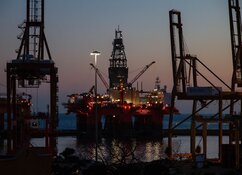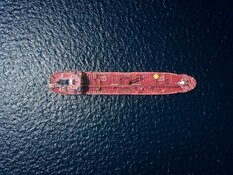


On July 24, 2026, independent crude oil tanker company DHT Holdings Inc. (DHT:NYSE) announced the delivery of DHT Impala, a VLCC newbuilding from Hyundai Samho Heavy Industries. The press release stated: "The vessel is entering the spot market and represents the fourth and final vessel in a series of newbuildings delivering to DHT during 2026."
The company stated that the newbuilding program has been fully funded, arguing that it enhances DHT's fleet and strengthens the company's service offering capabilities while increasing its long-term earnings capacity.
In relation, the company also confirmed that DHT Bauhinia (built in 2007) has been delivered to its new owners as of July 20, 2026.
DHT Holdings operates tankers via its wholly owned management companies in Monaco, Norway, Singapore, and India.
Oil Trades Near US$89 Amid Tensions
Oil prices have been affected by wartime strife for the past few months due to the ongoing conflict between the U.S. and Iran. As of July 28, 2026, oil is trading at US$89.08 per barrel, which is 26.35% higher than one year ago, according to Joseph Hostetler of Fortune.com. Still, prices have dropped slightly after news that President Trump and Prime Minister Netanyahu will be meeting today, with The Times of Israel reporting that mediators believe the U.S. and Iran are close to reestablishing the memorandum of understanding that would resume a ceasefire between the two countries.
Fox News said on the morning of July 28 that "The two sources said the White House was waiting to make a decision until after President Donald Trump meets with Israeli Prime Minister Benjamin Netanyahu on Tuesday."
High oil prices and the uncertainty of war have led investors to fear inflation will rise, and many look forward to a peaceful resolution to the conflict.
Struthers Rates DHT a 'Strong Buy'
Ron Struthers wrote about issues in the Strait of Hormuz and DHT's role in the oil market on July 23, 2026. Struthers noted that none of DHT's tankers have been caught in the Strait of Hormuz and wrote: "The stock is cheap, trading at only 8.8 times earnings and yielding 14%. No doubt the earnings and yield will go higher when they report Q2 earnings on August 5."
Struthers gave the company a "Strong Buy" rating, arguing: "In the first quarter of 2026, the company achieved average combined time charter equivalent earnings of US$78,800 per day, comprised of US$91,700 per day for the company's VLCCs operating in the spot market and US$61,300 per day for the Company's VLCCs on time charter. So, we have US$126,700 per day in Q2 compared to US$78,800 in Q1. This is a US$47,900 increase or a 60% increase that will mostly go straight to the bottom line. I believe everyone should own some of this stock. Watch for a breakout above US$20.50. The market is still underpricing energy-related stocks."
According to Marketbeat:
Also on July 23, 2026, Weiss Ratings downgraded their rating for the company from a a "Buy (B+) to a "Buy (B)".
In earlier coverage, Evercore downgraded their rating for DHT from an "Outperform" to an "In-Line", with a price target of US$19.00 on April 22, 2026. The same day, Gregory Lewis of BTIG Research boosted the target price from US$18.00-US$23.00, maintaining a "Buy" rating.
Company Hopes Sanction Relief Could Boost Demand
DHT's investor presentation lists "several emerging trends" that "warrant specific attention" for future catalysts. These include:
- Sanction Relief and Trade Normalization:
- Potential sanction relief on Venezuelan and Iranian crude exports would likely transition these volumes from the "shadow fleet" to compliant, independent operators, increasing the addressable market for our vessels
- Energy Security & Inventory Replenishment:
- Heightened focus on national energy security can trigger long-term crude oil inventory building, expected to drive demand for transportation beyond immediate consumption requirements
- Fleet Modernization & Demolition:
- Anticipate that a shift toward compliant trade will deprive the aging, non-compliant "shadow fleet" of employment, likely leading to accelerated retirement of sub-standard tonnage and further tightening global vessel supply
Ownership & Share Information1
DHT Holdings Inc. has a market cap of US$2.95 billion, with 161.04 million shares outstanding. The company's 52-week range is US$10.70-US$20.55. Institutions own 80.98% of shares, while Strategic Investors own 8.64%. Management & Insiders own 1.47%, and the remaining 8.91% of shares are held by Retail.
 Streetwise Ownership Overview*
DHT Holdings Inc. (DHT:NYSE)
| Date | Old Symbol | Old Shares | New Symbol | New Shares |
|---|---|---|---|---|
| 07/17/12 | DHT:NYSE | 12 | DHT:NYSE | 1 |
Frequently Asked Questions
Q: What is a VLCC?
A: A Very Large Crude Carrier (VLCC) is one of the world's largest oil tankers, typically capable of transporting up to 2 million barrels of crude oil. These vessels are commonly used for long-distance international shipments between major oil-producing and oil-consuming regions.
Q: What is the spot market in shipping?
A: The spot market is where ships are hired for individual voyages at current market rates rather than under long-term contracts. Shipping companies operating in the spot market can benefit when freight rates rise, but their earnings may fluctuate more as market conditions change.
Q: What is a time charter equivalent (TCE) rate?
A: A Time Charter Equivalent (TCE) rate is a standard shipping industry metric that estimates a vessel's daily earnings after deducting voyage-related expenses such as fuel and port costs. Investors often use TCE rates to compare the operating performance of shipping companies.
Q: Why do shipping companies build new vessels while selling older ones?
A: Replacing older ships with newer, more fuel-efficient vessels is a common fleet modernization strategy. New ships may lower operating costs, meet stricter environmental regulations, improve reliability, and strengthen a company's long-term earning potential.
Q: What is the "shadow fleet" in oil shipping?
A: The shadow fleet refers to older tankers that often transport oil outside traditional commercial shipping networks, sometimes serving countries subject to international sanctions. If sanctions are eased, more oil shipments may return to regulated shipping companies, potentially increasing demand for compliant tanker operators.
| Want to be the first to know about interesting Oil & Gas - Services investment ideas? Sign up to receive the FREE Streetwise Reports' newsletter. | Subscribe |
Important Disclosures:
- Cori Fisher wrote this article for Streetwise Reports LLC and provides services to Streetwise Reports as an employee.
- This article does not constitute investment advice and is not a solicitation for any investment. Streetwise Reports does not render general or specific investment advice and the information on Streetwise Reports should not be considered a recommendation to buy or sell any security. Each reader is encouraged to consult with his or her personal financial adviser and perform their own comprehensive investment research. By opening this page, each reader accepts and agrees to Streetwise Reports' terms of use and full legal disclaimer. Streetwise Reports does not endorse or recommend the business, products, services or securities of any company.
For additional disclosures, please click here.
1. Ownership and Share Structure Information
The information listed above was updated on the date this article was published and was compiled from information from the company and various other data providers.